
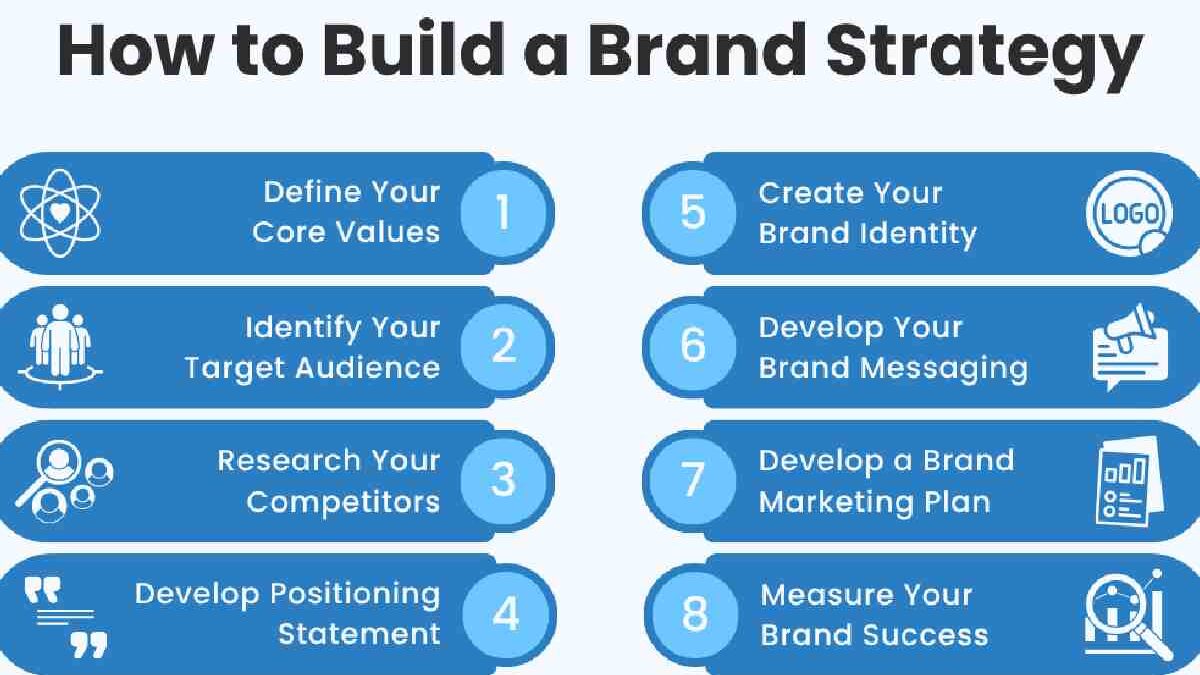
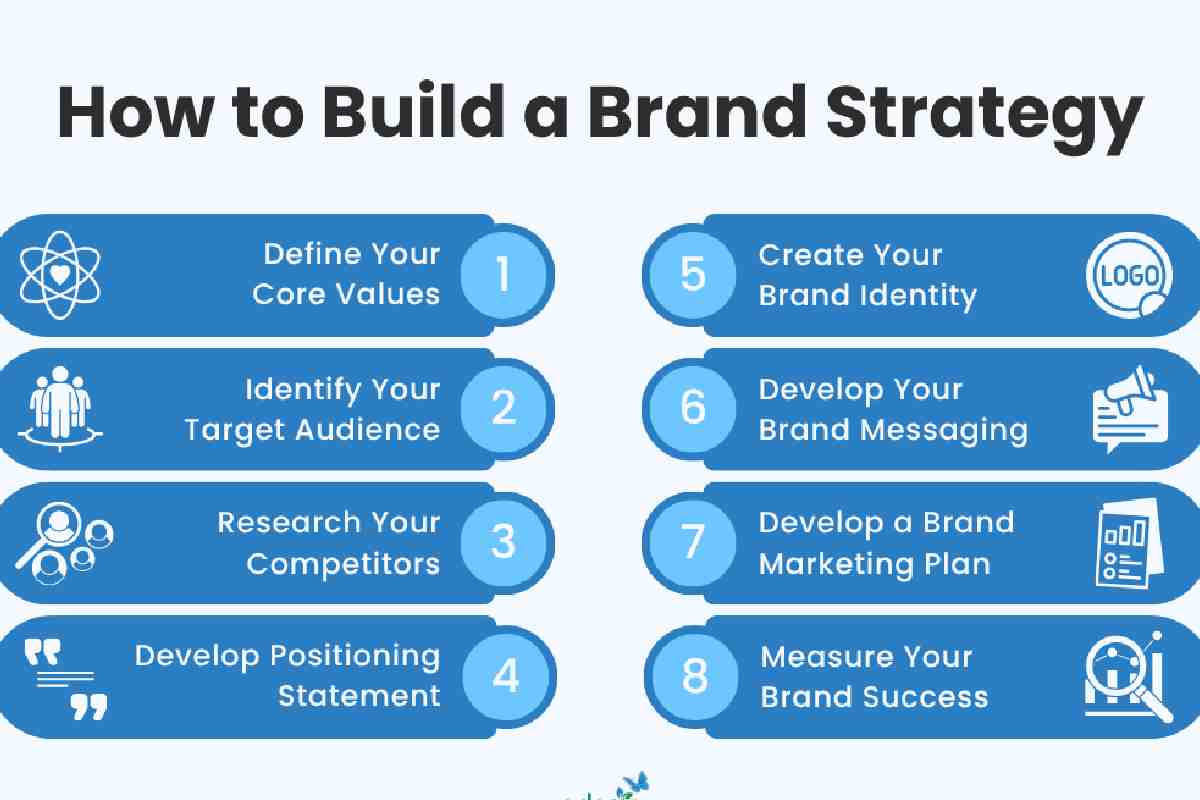
Why Your Business Needs a Clear Brand Strategy? – If you feel unsure about where to begin with your brand strategy, you’re not alone. Many business owners reach a point where their marketing feels inconsistent, their messaging is unclear, or their audience engagement has weakened. The problem often isn’t the product — it’s the lack of a structured branding strategy. A strong strategy gives your business direction, shapes how people perceive you, and helps you build a lasting connection with customers.
Whether you prefer working independently or collaborating with a brand strategy consultant, the process becomes far easier when broken down into clear steps. This article walks you through the essentials so you can build a brand strategy confidently and intentionally.
Table of Contents
Why Brand Strategy Is Essential
A well-defined brand strategy serves as the backbone for every internal and customer-facing decision. Without clarity, marketing becomes scattered, your tone varies across platforms, and customers feel confused about what your brand represents.
A strong branding foundation helps your business:
- Communicate consistently
- Build recognition in a crowded space
- Strengthen customer loyalty
- Appear more professional and trustworthy
These advantages explain why businesses often invest in brand strategy services early in their growth. A solid strategy becomes a long-term asset that supports everything from design to customer experience.
1. Start With Your Brand Purpose and Long-Term Vision
Before you create visuals or shape messaging, you need to understand the core of your brand. Your purpose is the reason your business exists. Your vision describes where you want to be in the coming years. These elements influence decision-making and ensure that your brand grows in the right direction.
A brand strategy agency often begins with exercises to uncover your purpose, mission, and vision. However, you can do this step yourself through thoughtful reflection. Consider what motivated you to start your business, what impact you aim to create, and what unique value you want to bring to your market.
Clear purpose and vision help you avoid drifting off course, especially as your business expands.
2. Identify Your Audience With Accuracy
A strong branding strategy is built around the people you want to serve. Knowing your audience allows you to communicate in a way that resonates. It influences your tone, storytelling, design choices, and marketing channels.
Essential Questions for Understanding Your Audience:
- What challenges do they face?
- What motivates their decisions?
- What expectations do they have for your product or service?
The more specific your audience insights are, the stronger your messaging becomes. If you’re unsure who your best customers are, reviewing your current buyers or conducting simple interviews can provide valuable clarity.
3. Define What Makes Your Brand Different
Differentiation is key in competitive markets. This is where your unique value proposition (UVP) comes in. Your UVP is not a slogan — it is a clear explanation of what sets you apart and why customers should prefer you over alternatives.
This step often benefits from the input of a brand strategy consultant, because outside perspectives make your strengths easier to identify. When your UVP is clear, it becomes a powerful guide for content writing, website messaging, and marketing campaigns.
A strong UVP keeps your brand from blending in, making it easier for customers to understand why your business matters.
4. Build Your Brand Messaging Framework
Your messaging framework includes your key messages, tone of voice, brand story, and communication style. These elements guide how your brand sounds — not just what it says. The goal is to maintain a consistent voice across platforms so customers have a unified experience.
Messaging should reflect your values and connect emotionally with your audience. It’s not just about information; it’s about how you want people to feel when they interact with your brand.
If you plan to work with a web design agency, providing clear messaging guidelines ensures that your website content matches your identity.
5. Develop a Visual Identity That Represents Your Brand
Your visual identity influences first impressions and communicates your personality. A strong visual system includes your logo, colour palette, typography, image style, and layout rules. These elements must be cohesive and consistent across your digital and offline presence.
Core Elements of Your Visual Identity:
- Primary and secondary colours
- Logo variations
- Brand-approved typography
These choices should not be made based on trend alone. Instead, visuals should connect back to your audience research and strategic goals.
Working with a web design agency can help you ensure that your visuals translate beautifully into a high-quality website and marketing materials.
6. Build a Website Aligned With Your Strategy
Your website is often the centre of your digital ecosystem. It should clearly communicate your value, reflect your visual identity, and guide visitors toward meaningful actions. The message on your homepage should make it easy for people to understand what you offer and why it matters.
When your branding elements are defined, your website design becomes more focused and intentional. A strategic website is not just a digital brochure — it’s a tool that builds credibility and supports your sales process.
A professional web design agency can help translate your strategy into a site that is visually aligned, easy to navigate, and optimized for conversions.
7. Create a Content Strategy That Reinforces Your Brand
Content is how people learn about your brand, understand your values, and build trust. After your brand foundation is established, you need a plan to communicate consistently across all platforms.
Key Components of an Effective Content Strategy:
- Define content themes based on audience needs
- Maintain a consistent tone of voice
- Use storytelling to reinforce your brand identity
A strong content strategy makes your brand feel cohesive and memorable. Whether you use blogs, videos, or social media posts, consistency ensures long-term impact.
8. Monitor Your Brand and Adapt as Needed
Your brand strategy will evolve as your business grows. Market conditions change, customer expectations shift, and new opportunities emerge. The key is to remain flexible and review your strategy regularly.
Some companies partner with a brand strategy agency or consultant for periodic brand audits. These reviews help identify messaging gaps, design inconsistencies, or areas where customer perception may not match your intended identity.
Small adjustments over time keep your brand fresh while maintaining its core essence.
Common Mistakes in DIY Brand Strategy
Common Branding Mistakes to Avoid:
- Jumping straight into logo design
- Trying to appeal to everyone
- Ignoring audience insights
- Being inconsistent in messaging
Avoiding these issues will help you build a stronger, more memorable brand.
Conclusion
Building a brand strategy when you’re unsure where to begin doesn’t have to be complicated. With a clear process — purpose, audience insights, differentiation, messaging, visual identity, website alignment, content planning, and consistent review — you can create a brand that feels strong and focused.
Whether you develop everything internally or seek support from a brand strategy consultant, the most important thing is clarity and consistency. A strong strategy positions your business for long-term success and ensures your brand feels intentional, trustworthy, and relatable.
FAQs
How do I know if I need a brand strategy?
If your messaging feels unclear or inconsistent, it’s a sign you need one. A strategy helps unify your communication and improve customer perception.
Can a brand strategy agency help small businesses?
Yes, they frequently work with small businesses to build clear, scalable strategies. Their guidance helps avoid mistakes that cost time and money.
How often should I review my brand strategy?
Most businesses review it once every 12–18 months. Major internal or market changes may require earlier adjustments.
What role does a web design agency play in branding?
They ensure your website reflects your visual identity and messaging clearly. A well-designed website strengthens trust and improves conversion.
What do brand strategy services usually include?
They typically cover research, positioning, messaging, and visual direction. Many also offer long-term support for ongoing brand growth.