
Memory Cards Write For Us
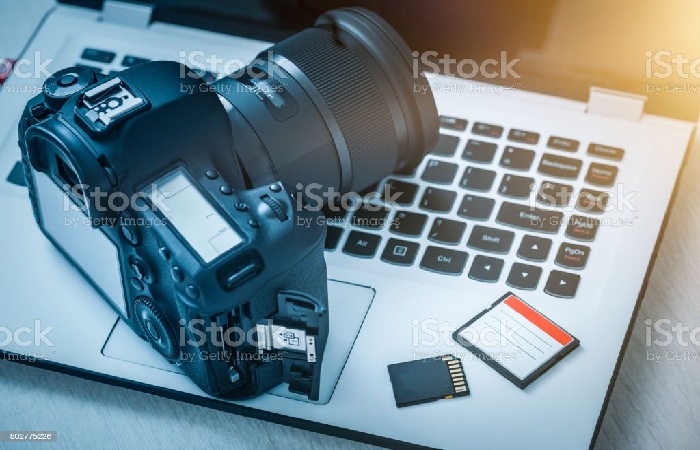
Memory Cards Write For Us: Memory cards, also known as flash memory cards or simply “cards,” are small electronic storage devices that store data in a portable and compact form. They are commonly used in various electronic devices, such as digital cameras, smartphones, tablets, gaming consoles, and other mobile devices, to expand storage capacity or transfer data between devices.
Memory cards are based on flash memory technology, allowing data to be electronically stored and also retrieved without needing a constant power supply. They offer high-speed data access, are durable, and have no moving parts, making them reliable for data storage and also transfer. If you have any questions or need further clarification, don’t hesitate to contact us at [contact@techsmartinfo.com].
There are Several Types of Memory Cards Available, Each with Different Form Factors and Usage Scenarios
- Secure Digital (SD) Card: SD cards are one of the most widely used memory cards and come in various sizes, including standard SD, microSD (commonly used in smartphones and action cameras), and miniSD. They operate in digital cameras, camcorders, smartphones, and other devices.
- CompactFlash (CF) Card: CompactFlash cards are larger and more robust than SD cards, commonly used in professional-grade digital cameras and devices that require high data transfer speeds and large storage capacities.
- MicroSDHC/MicroSDXC: MicroSDHC (High Capacity) and MicroSDXC (Extended Capacity) are variations of microSD cards that offer higher storage capacities, typically used in modern smartphones, tablets, and action cameras.
- Memory Stick: Memory Stick is a proprietary memory card format developed by Sony, primarily used in Sony-branded digital cameras and other Sony devices.
- XD-Picture Card: XD-Picture Card is a memory card format developed by Fujifilm and Olympus, used in older digital cameras.
Memory cards are available in various storage capacities, reaching from a few gigabytes (GB) to several terabytes (TB) in the case of some SDXC cards. The choice of a memory card depends on the device’s compatibility, storage needs, and required data transfer speeds.
Using memory cards allows users to expand the storage capacity of their devices, store photos, videos, music, and other files, and quickly transfer data between devices. They offer a convenient and portable way to carry and access large amounts of data, making them an essential accessory for modern electronic devices.
Memory Cards Write For Us [Function]
The primary function of a memory card is to provide additional storage capacity to electronic devices with limited internal storage. Here’s how memory cards work and their main parts:
Data Storage
Memory cards use flash memory technology to store digital data. Flash memory is non-volatile, meaning it retains data even when the power turns off. It makes memory cards suitable for storing files, photos, videos, music, documents, and other data.
Expand Device Storage
Many electronic devices, such as smartphones and digital cameras, come with fixed internal storage. Memory cards allow users to expand their device’s storage capacity by inserting the card into the appropriate slot, effectively increasing the data the device can hold.
Transfer and Backup
Memory cards also use to transfer data between devices. For example, you can take photos with a digital camera and then transfer those photos to a computer or printer using a memory card. It makes it easy to back up and share files.
Portable Media Storage
Memory cards store media files, such as music and videos, that can play on compatible devices. For instance, you can store music on a microSD card and then play it on a smartphone or MP3 player.
Versatility
Memory cards come in various types and sizes, such as SD, microSD, CompactFlash, and more. They design to be compatible with specific devices or device slots, ensuring users can find the appropriate memory card for their particular electronic device.
Ease of Use
Memory cards are simple to use. Inserting or removing a memory card from a device is usually straightforward and can be done without additional tools.
Overall, memory cards are essential accessories that enhance the functionality and usability of electronic devices by providing additional storage capacity and enabling easy data transfer. They offer a convenient and reliable way to store and access digital data, making them a crucial component of modern digital technology.
How do I Submit a Guest Post?
Once your article meets our guidelines, you can send it to contact@techsmartinfo.com. After submission, our team will review it, check if the content is unique, and approve it. For sure, our publishing team will contact you within 12 hours.
Why Write for Techsmartinfo.com?
If you write for Tech Smart Info.com
- It will help in building relationships with your targeted audience.
- You can get a backlink to your website; as you know, the backlink will share your SEO value.
- Our presence is also on Social Media, and we will share your article on our social channels.
- If you write for us, you will know your brand’s and content’s authority globally.
- You can reach your target audience/customers, be a reader of our blog, and have enormous exposure.
Ultimately, the reason for writing to a website will depend on the individual’s needs and interests, as well as the purpose and focus of the website itself.
Guidelines

I appreciate your interest in contributing to our platform. We appreciate your willingness to part your knowledge besides expertise. To ensure that your content aligns with our requirements, please follow these guidelines:
- Content Relevance: We primarily focus on topics related to [your platform’s niche or subject]. Your content should be informative, relevant, and valuable to our audience.
- Originality: We only agree to take original content that has not publish elsewhere. Plagiarism or duplicate submissions will not consider.
- Tone and Style: Write concisely and engagingly. Use a friendly manner to connect with readers. Avoid jargon and complex language whenever possible. Make your content accessible to a broad audience.
- Word Count: Aim for a word count of [desired word count range]. This range provides enough space to cover the topic comprehensively without overwhelming the reader.
- Structure: Organize your content with headings, subheadings, and bullet points to enhance readability. Use short paragraphs and break up the text to prevent large content blocks.
- Credibility: Whenever you present facts or data, ensure they are accurate and supported by credible sources. Provide links to reputable references when necessary.
- Visuals: If applicable, include relevant images, charts, or infographics to complement your content. Ensure you have the right to use these visuals and provide proper attribution if necessary.
- SEO: While we appreciate SEO optimization, prioritize writing for humans rather than search engines. Use relevant keywords naturally and avoid keyword stuffing.
- Edit and Proofread: Before submission, thoroughly edit and proofread your content to eliminate grammatical errors, typos, and other issues.
- Rights: By submitting your content, you grant us the right to edit, modify, or adapt the content as needed. However, you will retain authorship and credit for your work.
- Promotion: Once your content is published, we encourage you to promote it on social media and other channels to increase its reach.
Submission Process

- Send your content in a Word document or Google Docs format to [contact@techsmartinfo.com].
- Include a brief author bio with relevant details about yourself and any appropriate links (e.g., website, social media).
- If applicable, provide image files separately with clear indications of where they should place in the content.
- We will review your submission and reply in [timeframe] regarding its acceptance or feedback for revisions.
Please note that submission does not assure publication, as we evaluate content based on our platform’s needs and also quality standards. We reserve the right to make necessary edits for clarity, style, and also adherence to guidelines.
We look forward to receiving your contribution and appreciate your efforts to enrich our platform with valuable content. If you have any questions or need further clarification, don’t hesitate to contact us at [contact@techsmartinfo.com].
Our “Write For Us” pages are created for writers, bloggers, content creators, and individuals who enjoy writing and reading informative blogs. These pages provide an opportunity for contributors to share original, useful, and reader-friendly content related to the topics listed on our website.