
Everything Business Owners Should Know About Simplifying Their Security Operations
Running a business today means dealing with more technology, more data, and more risk than ever before. Security operations have become increasingly complex, often involving multiple tools, vendors, and processes that do not always work seamlessly together. For business owners, this complexity can lead to gaps in protection, higher costs, and unnecessary stress. Simplifying your security operations is not just a technical upgrade. It is a strategic move that can improve efficiency, reduce risk, and support long-term growth.
Table of Contents
Why Security Complexity Is a Problem
Many businesses build their security stack over time, adding new tools to address specific threats or compliance requirements. While this approach may solve short-term issues, it often creates a fragmented system that is difficult to manage.
When security tools do not integrate properly, teams spend more time switching between platforms, investigating alerts, and managing configurations. This increases the chances of human error and slows down response times. For business owners, this means higher operational costs and a greater risk of something slipping through the cracks.
The Benefits of Simplifying Security Operations
Simplifying your security operations can deliver immediate and long-term benefits. A streamlined approach reduces the number of tools and vendors you need to manage, which can lower costs and improve visibility across your entire environment.
With fewer systems in place, your team can respond to threats more quickly and efficiently. This leads to stronger protection and less downtime. It also allows your IT team to focus on strategic initiatives rather than getting bogged down in day-to-day troubleshooting.
Moving Toward a Unified Security Approach
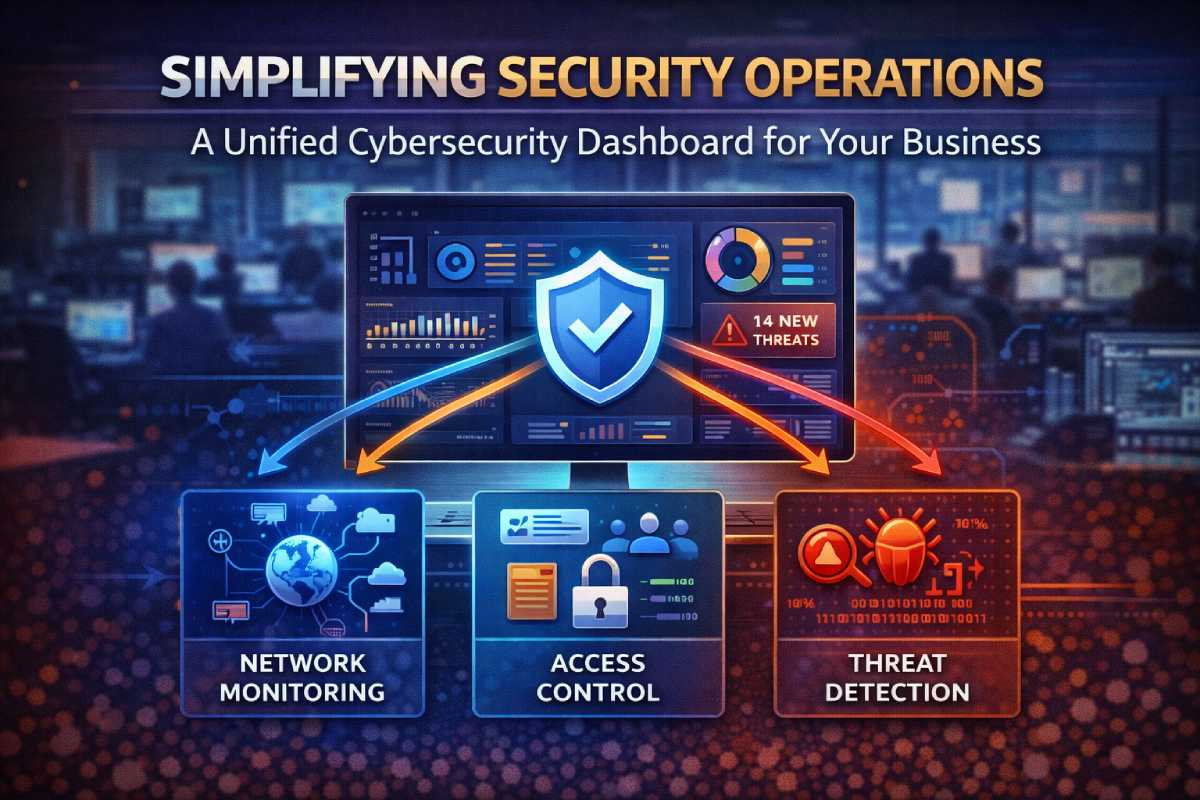
One of the most effective ways to simplify security operations is by adopting a unified framework that brings multiple functions together in one place. Instead of relying on separate solutions for networking, access control, and threat detection, businesses are turning to integrated platforms that handle everything in a cohesive way.
For example, adopting a SASE platform allows businesses to combine network security and wide area networking into a single cloud-based solution. This not only reduces complexity but also improves scalability and performance, especially for organizations with remote or hybrid workforces.
Key Steps to Simplify Your Security Operations
If you are looking to simplify your security setup, start by evaluating your current tools and processes. Identify any redundancies or overlaps that may be adding unnecessary complexity. Consolidating these tools can make a significant difference.
Next, prioritize integration. Choose solutions that work well together and provide centralized management capabilities. This will give you better visibility and control over your security environment.
Automation is another critical factor. Automating routine tasks such as threat detection and response can reduce manual workload and improve consistency. This helps your team stay focused on higher-value activities.
Finally, consider scalability. As your business grows, your security needs will evolve. Investing in flexible, cloud-based solutions ensures that your security operations can grow with you without becoming overly complicated.
The Bottom Line
Simplifying security operations is about working smarter, not harder. By reducing complexity, improving integration, and adopting modern solutions, business owners can create a more secure and efficient environment. The result is better protection, lower costs, and a stronger foundation for future growth.