

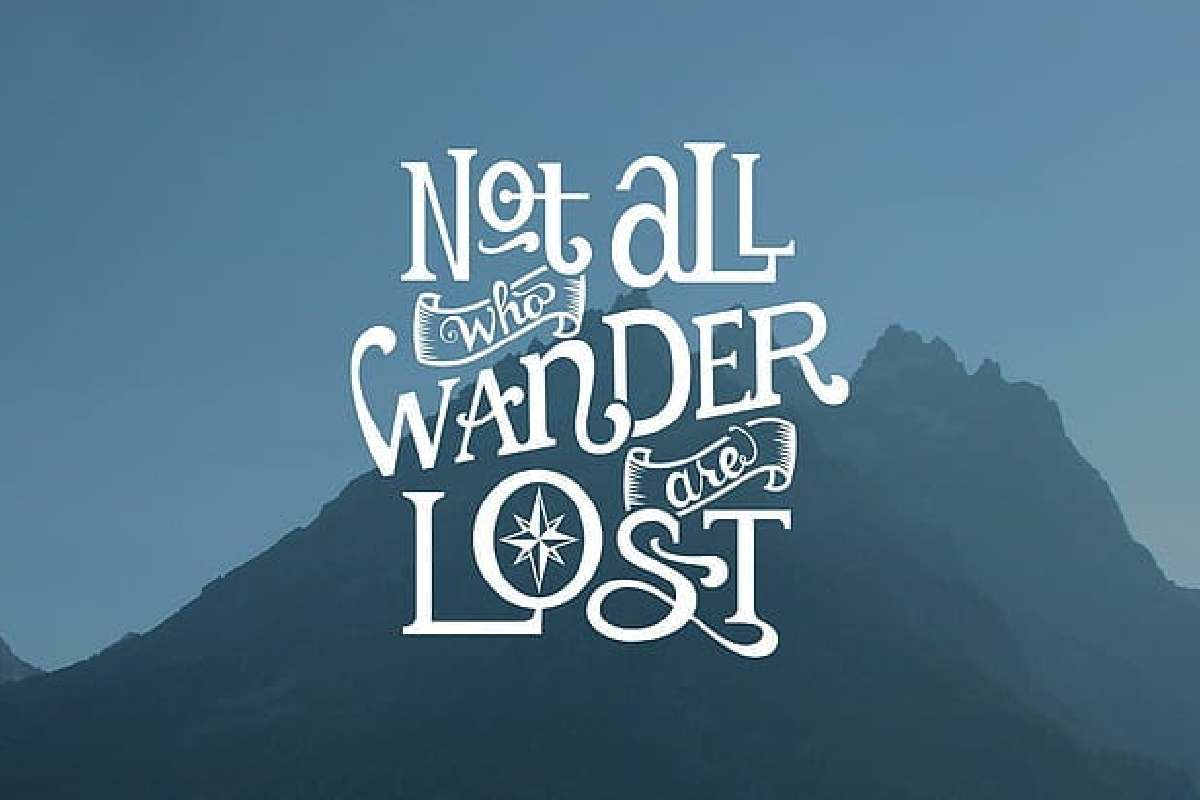
Not All Who Wander Are Lost
Not all those who wander are lost. History will be kind to me for I intend to write it. He who opens a school door, closes a prison.
“Not all those who wander are lost” reminds us that movement does not always mean confusion. Some journeys are not about reaching a destination but about discovery. People who wander often do so in search of understanding, purpose, or growth. They step away from familiar paths to explore ideas, cultures, and perspectives that cannot be found by standing still.
Wandering allows space for reflection. It challenges comfort zones and reshapes identity. History shows that many innovators, thinkers, and leaders spent time wandering — physically, intellectually, or emotionally — before finding clarity. Their detours were not mistakes, but essential steps toward insight.
Table of Contents
Writing History Through Action
“History will be kind to me for I intend to write it” speaks to personal responsibility and agency. History is not only written by those with power, but by those who act with intention. Every decision contributes to a larger narrative, shaping how individuals and societies are remembered.
Writing history does not require fame or authority. It begins with conviction — the belief that actions matter. People who live deliberately leave traces behind: ideas shared, systems improved, and lives influenced. When actions align with values, history often responds with respect.
Rather than waiting for recognition, intentional individuals focus on impact. They understand that history is less about self-praise and more about contribution. By shaping the present responsibly, they help define a better future.
Education as the Foundation of Freedom
“He who opens a school door, closes a prison” highlights the transformative power of education. Knowledge is one of the strongest tools for reducing inequality, violence, and ignorance. Education equips individuals with critical thinking skills, empathy, and opportunity.
A school represents more than a building — it symbolizes possibility. When people have access to learning, they gain alternatives to desperation and conflict. Education opens paths toward employment, creativity, and civic engagement. In doing so, it reduces the conditions that lead to crime and social division.
Societies that invest in education invest in prevention rather than punishment. Teaching curiosity and responsibility early can reshape entire generations. Education does not simply inform; it empowers.
Where Wandering, History, and Education Meet
These three ideas are deeply connected. Wandering encourages curiosity. Education gives that curiosity structure. Intentional action turns learning into history. Together, they form a cycle of growth.
Those who wander learn to question. Those who learn gain the tools to act. Those who act leave a legacy. Progress rarely follows a straight line — it moves through exploration, reflection, and commitment.
Conclusion: Choosing a Meaningful Path
Not all who wander are lost; some are preparing. By valuing education and acting with purpose, individuals contribute to a history worth remembering. Each opened mind reduces fear, each thoughtful choice strengthens society, and each lesson learned moves humanity forward.
The path may be uncertain, but meaning is found in the journey, the knowledge shared, and the future shaped by intentional action.